This opinion piece was written by Opium op Oerol presenter Cornald Maas and was published on 15 December in De Volkskrant.
Precisely at a time when there is a strong need for connection and mutual understanding, it is a crying shame that cultural programmes are being cut as a result of budget reductions—especially when they offer opportunities to young talents and theatre makers who otherwise receive little exposure.
When times are tough, as they are now, and the NPO is being forced by politicians to make significant cuts, cultural programmes on television are often the first to go. I speak from personal experience. Since the late 1980s, I have been involved in arts programming at the public broadcaster—as an (executive) editor and as a presenter.
As long as such TV programmes are not explicitly made for a broad audience, they are regularly questioned, and enthusiasm for them is not always unanimous; a TROS culture programme once, not without reason, bore the legendary title *Art Because It Has To*.
The programme De Plantage, presented by Hanneke Groenteman in the 1990s, was initially the subject of much debate—even within the VPRO—until it was saved from an early demise thanks to a glowing review in *Het Parool* and the award of the (now defunct) television prize De Bronzen Luis.
The television programme Opium, which I presented for seven years, changed its format and tone repeatedly—partly due to viewing-figure considerations and ever-changing demands from the public broadcaster—until it was eventually cancelled (it continued on radio). Many other cultural programmes broadcast by different networks—Kunstmest, C-Land, On stage, Groenteman op zondag—disappeared from the screen much more quickly.
In that sense, it does not surprise me that the cuts now being implemented by the NPO at the cabinet’s behest also—and especially—affect cultural programmes at Avrotros. Particularly those programmes that do not attract vast numbers of viewers, but do attract viewers who are motivated to attend performances, concerts and exhibitions.
At Avrotros, programmes such as the documentary strand Close Up, the National Museum Week programme Man en kunst, and Nu te zien!—which (with a positive effect on museum attendance) highlights exhibitions—are being cut. And yes, my own programme Opium op Oerol, in which we annually report on the major music and theatre festival on Terschelling, is also disappearing.
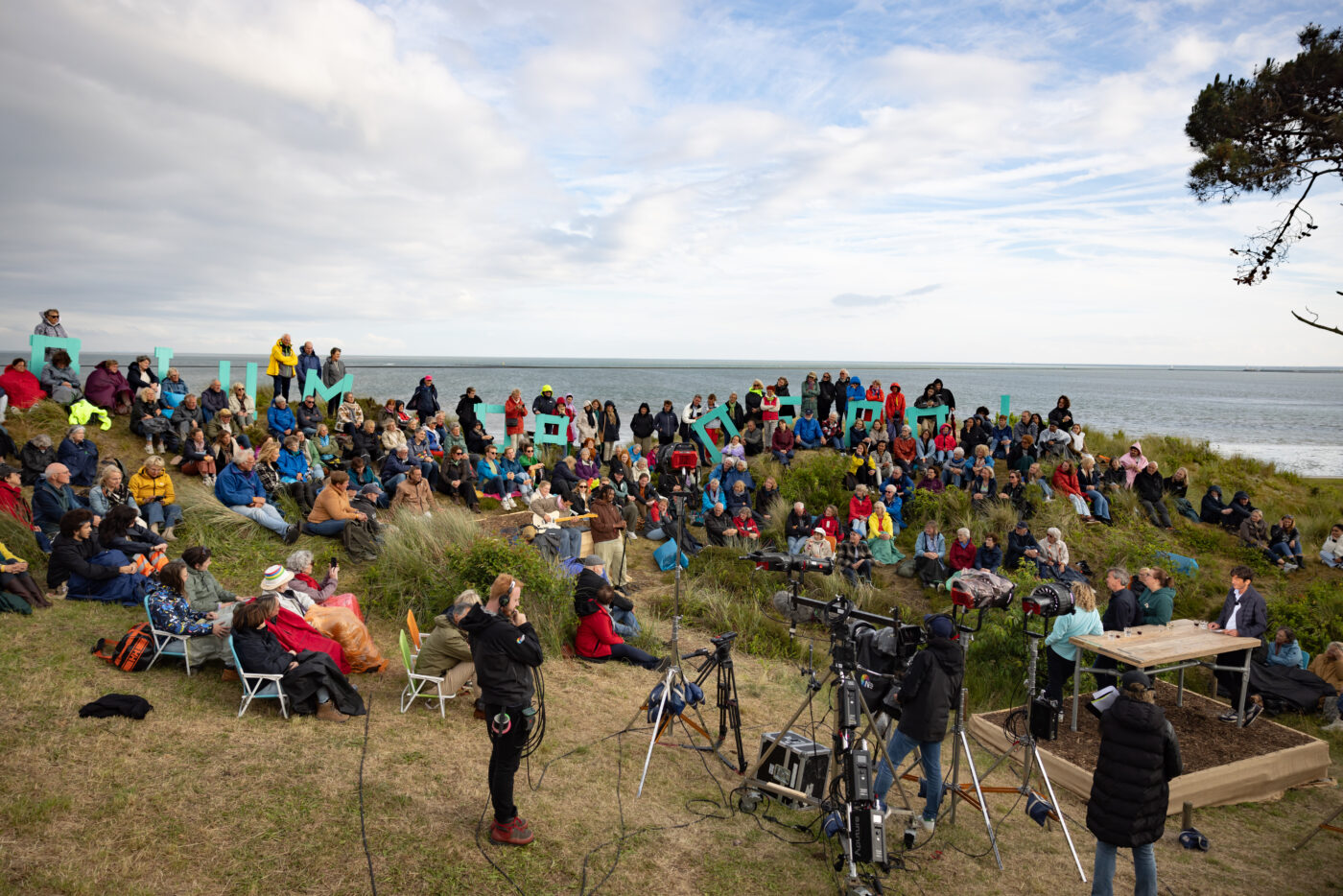
This programme is, of course, not a “ratings powerhouse”, but within its genre it performs well, with an average of nearly 200,000 viewers per episode over the past two years. All things considered, however, that is not the most relevant point. More important is that Opium op Oerol offers a platform to young talents and theatre makers who otherwise receive little exposure on television, presenting new, mind-expanding stories about current issues that particularly resonate with a younger generation.
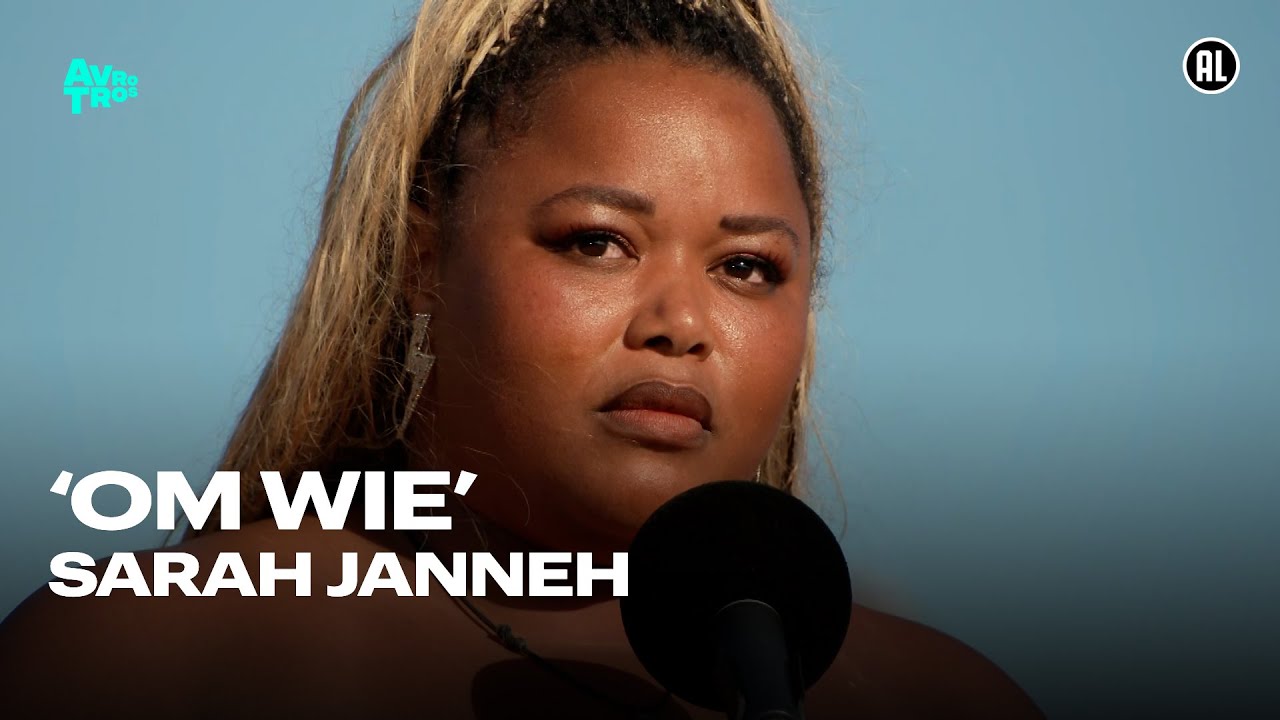
We highlighted productions that later became major successes in regular theatres on the mainland. We invited young talents to perform daily on our programme—such as last year, when actress Sarah Janneh sang songs from her now widely acclaimed production Brabo Leone for the first time in the Terschelling dune hollow on our show.
And, not unimportantly, each year we relocate our programme to a location far beyond the Randstad, paying close attention to the beauty of the Terschelling landscape in which the performances are so beautifully embedded. These are, indeed, all aspects that touch upon what the NPO also stands for (or should stand for) and that help define the very raison d’être of the public broadcaster.
I know: it is the cabinet that is imposing these cuts. And where wood is chopped, chips will fall. But precisely at a time when so many people are measuring themselves against one another, cultural expression—certainly on television as well—can foster connection, the magic word of our time, and understanding. It invites self-reflection and offers sensually stimulating insights, far removed from the straightforward, knee-jerk responses to the daily news cycle.
Therefore, I hope—against my better judgement?—that the tide will turn, that decisions will be reversed, and that a future cabinet will, in any case, be more willing to profess its belief in the importance of culture for our society—as the VVD once did in the distant past. And that the NPO will benefit from this.
It would, to say the least, be a shame if nothing were to replace the programmes that are now disappearing. And the talk shows that occasionally devote attention to culture cannot fill the void left by these programmes. Volle Zalen, the programme that portrays icons from the world of theatre and the performing arts, fortunately remains. But the NPO deserves many more programmes that inspire viewers and help ensure that theatres, concert halls and museums truly remain full.